What storefront glass does for a business
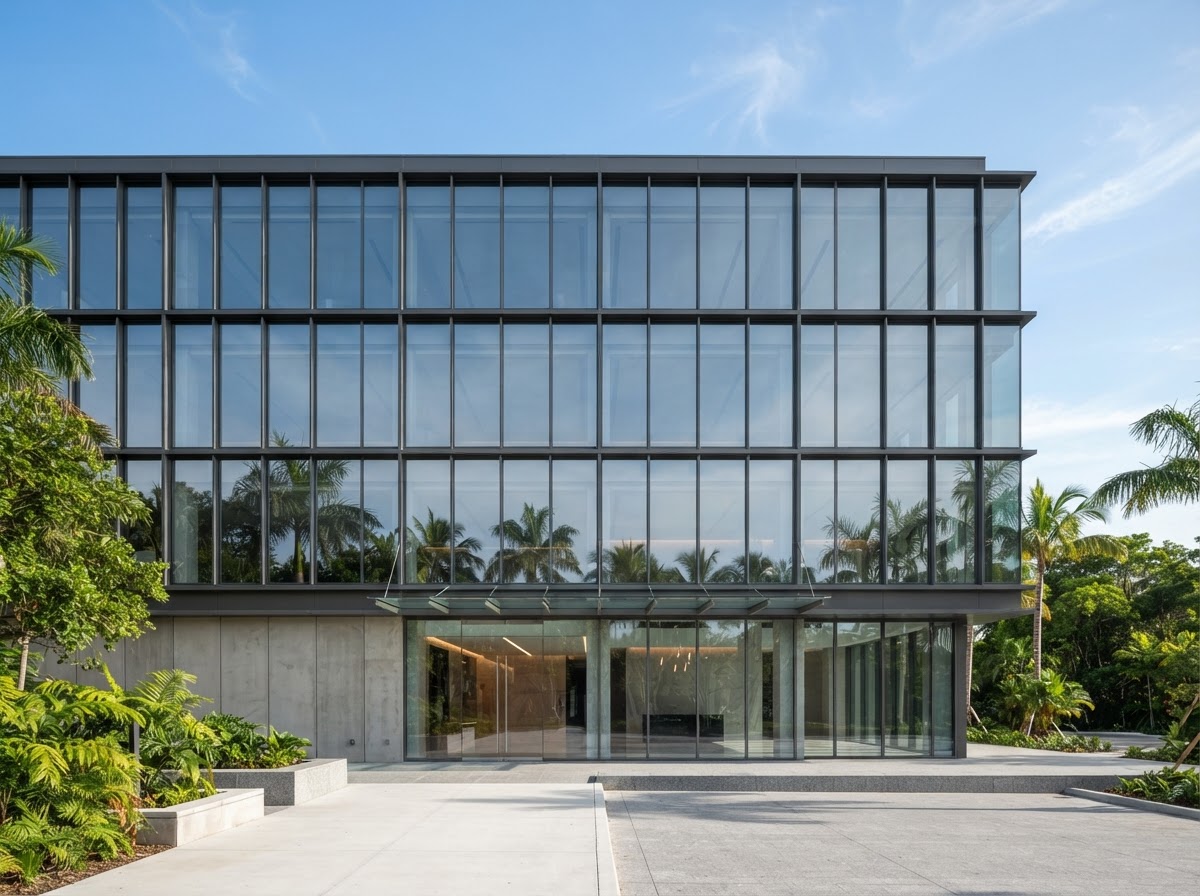
A storefront is part marketing and part shelter. The glazing lets a business show what it offers, invite light into the space, and present a clean face to the street. At the same time it has to close the building against weather and, on many commercial openings, meet performance requirements that residential glass does not. We plan storefront glass with both halves in mind.
Commercial glazing is heavier use than residential, so the glass and the system it sits in are chosen for the traffic, the exposure, and the building. A restaurant entrance, a retail display, and an office lobby each call for different decisions. We do not treat storefront glass as a single product.
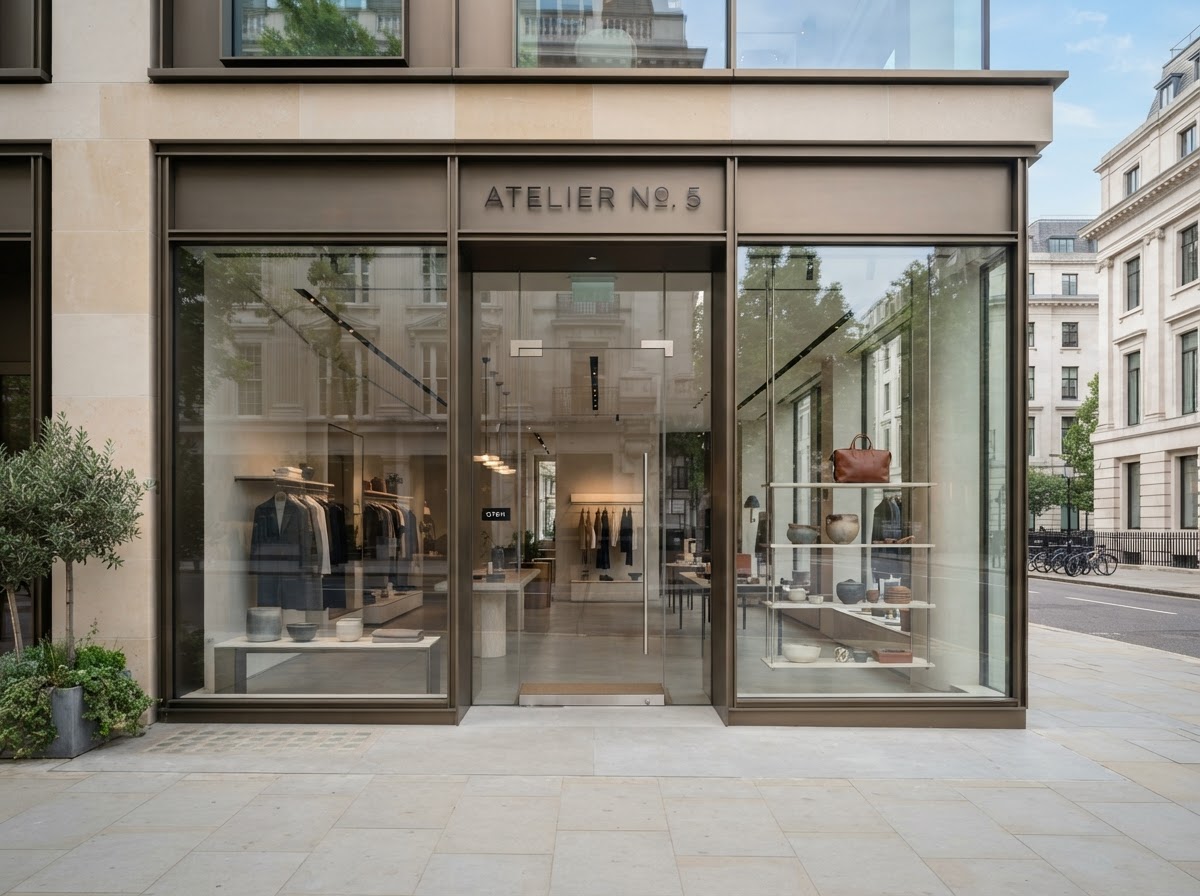
Display visibility and entrances
For a retail business, what passes through the glass matters — the display has to read clearly from the sidewalk, and the entrance has to be obvious and easy. That pushes toward large lites and minimal mullions. For a restaurant, the balance may tip toward ambiance and light control. We talk through what the storefront needs to do for the specific business.
The entrance is its own decision. A single swing door, a pair of doors, or a sliding entrance each suit different openings and traffic levels. We do not promise automatic doors or specialty access-control systems unless those are separately confirmed, so if your project needs them, we will say what we can and cannot provide.
Existing frame conditions
Many storefront projects are replacements or upgrades within an existing opening. The existing frame — its material, condition, and dimensions — shapes what glass can go back in. Sometimes the frame can be reused; sometimes it should be replaced. We look at the frame before specifying the glass, because a glazing decision that ignores the frame does not hold up.
Where the opening is new, we coordinate with the construction so the frame and the glazing land on the same dimensions. That coordination is part of requesting a free estimate for a commercial project.
Project access and scheduling
Commercial work often has to happen around a business's hours. We plan access — when the space can be measured, when the glass can be installed, and whether the work can be staged without closing the business for long. For a replacement in an operating business, scheduling can be as important as the glazing itself.
We do not advertise emergency service or after-hours availability as confirmed capabilities. If your project has a hard timeline, tell us and we will be honest about what we can accommodate.
Measurements and installation planning
Storefront glass is fabricated to the opening, so measurement accuracy matters as much here as anywhere. For a fabrication-with-installation project we measure on site; for fabrication only we work from the measurements you provide. Commercial openings can be large, so we pay attention to lite sizes, handling, and how each panel gets into the opening.
Installation planning also includes what happens after the glass is in — trim, sealants, and coordination with signage or interior work. We scope the project rather than dropping off a panel and leaving you to finish it.
When impact glazing is part of the project
On some commercial openings, impact resistance is required by the building or the location. Where that applies, the glazing is part of an impact-rated assembly, not just a pane of glass. We treat that as an impact glass decision within the storefront project, and we review the requirements with you rather than assuming a standard product. Laminated glass and impact-rated glass are related but not the same; lamination alone does not establish an impact rating.
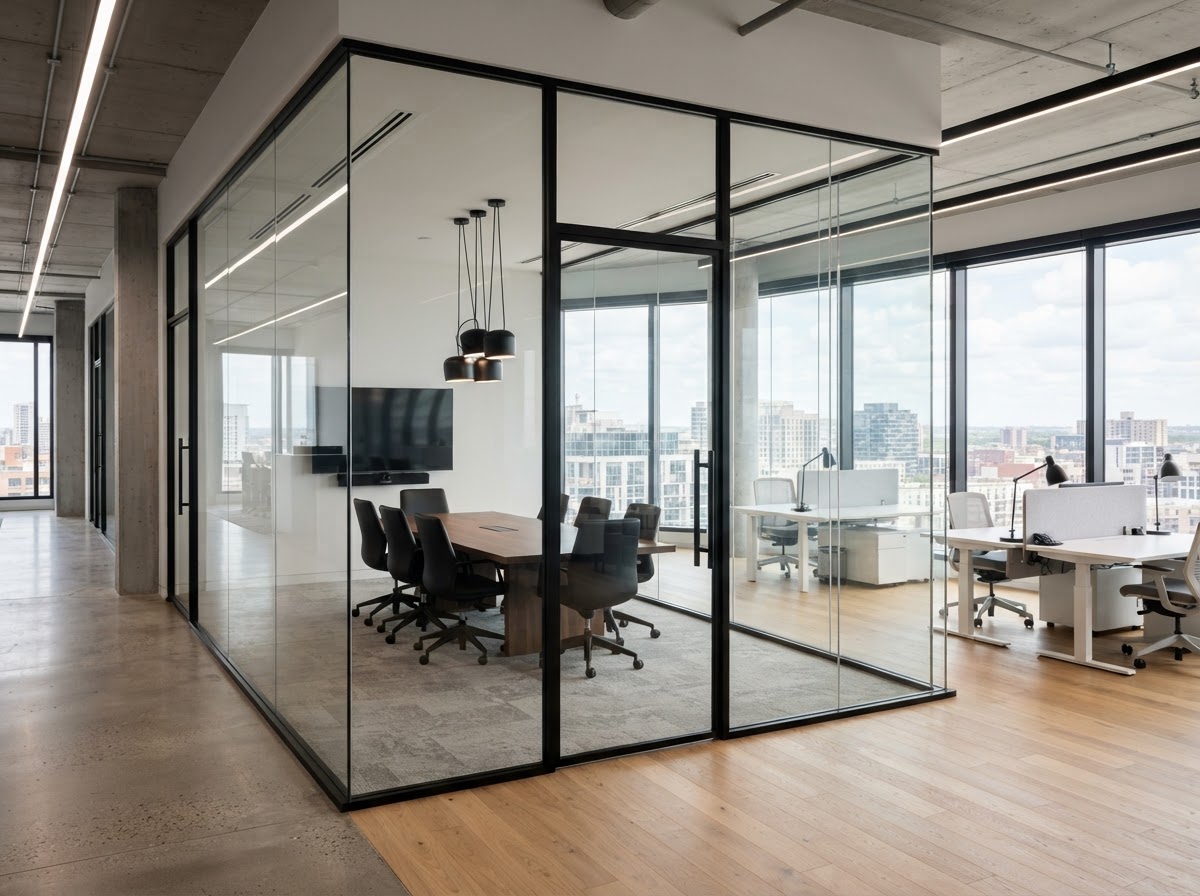
If your project includes office glass partitions inside the space, we can coordinate the exterior glazing and the interior partitions so the business reads consistently.
Fabrication and installation options
Storefront glass can be ordered as fabrication only or fabrication with installation. For commercial projects, installation is often the better choice because the openings are large and the access is constrained. Fabrication only works when a commercial contractor is handling the install. We help you decide based on the project and the team.
The two options apply across our services, so the storefront decision fits the same framework.
Next steps
If you are planning storefront glass, tell us the opening, the existing frame, and what the business needs the storefront to do. We will review the glazing, the entrance, and the schedule with you. Estimates are free, and the review is what keeps the storefront appropriate to the business and the building.